
I’m Jason. I am a former Hedgerow House resident, and I currently work for RISE as the chef at RISE Above Residential Rehabilitation Program. I have been sober for 18 months, and I’m not the same person I was 18 months ago, when alcohol and the disease of alcoholism were taking over my life. I went from drinking every day, being estranged from my family, and nearly homeless — to being sober, successful in my job at RISE Above, and most importantly, getting my family back, especially my daughters.
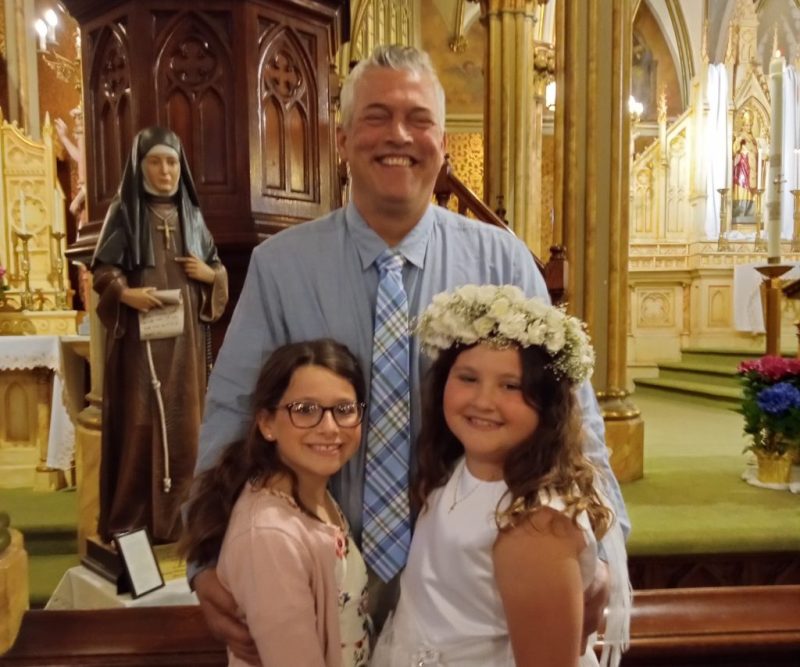
I spent six months in the Hedgerow House program. That was where the real work on my recovery happened. I’d been through five different rehabs before, but it wasn’t until Hedgerow House that I truly began to work on myself and my recovery. Today, I am maintaining my sobriety, working for RISE Above, and enjoying my relationship with my daughters because of my time at Hedgerow. I truly believe I was afforded the opportunity to get this job with RISE Above because of the recovery program I worked while there—the way I carried myself daily and the way I interacted with the staff.
My last drink was on January 13, 2024. I can remember the day I became an alcoholic, and from that day forward, I drank every day. In the beginning, it wasn’t always an obsession to drink all day long. But when COVID hit, I began drinking all day, every day, and my addiction became a true mental and physical dependency.
I was laid off, isolated at home with my kids. I felt I had to drink just to cope with being at home with two children doing their schoolwork on laptops. I thought I needed to be intoxicated to manage it all.
I woke up with severe anxiety every morning—first from alcohol withdrawal, and then from the mental anguish of obsessing about how I was going to get alcohol. It became an all-day obsession. My anxiety grew as I fixated on how and where I would obtain and consume alcohol, how I would hide it from my family, and how I would come up with the money to maintain my drinking.
My drinking affected every relationship in my life. I deceived and lied to my friends and family just to get what I wanted. Even though I was physically present with my family, I wasn’t there mentally. I regret the time I lost with my children, because they are the most important thing to me. That regret, combined with my inability to stop drinking, led to depression. I was in a dark, unhealthy state of mind.
The turning point came when I realized my life was unmanageable and that I had burned every bridge possible. I was estranged from my family, not allowed to see my daughters, and I had nowhere to go. As a last resort, I went to my father’s house—the first time I had stayed there in over 30 years. I tried to stay sober, but relapsed and ended up in rehab again. While I was there, my father—who always told me, “I might get mad at you, but I’ll never turn my back on you”—said, “Wherever you’re going after you get out of rehab, you’re not welcome back here.” I was devastated. I realize now that he wasn’t turning his back on me, but at the time it felt that way.
That was my first real experience with homelessness. That’s how far my alcoholism had pushed me. I was willing to give up everything, except the one thing I needed to let go of—alcohol. So, I made a choice to give Hedgerow House a chance.
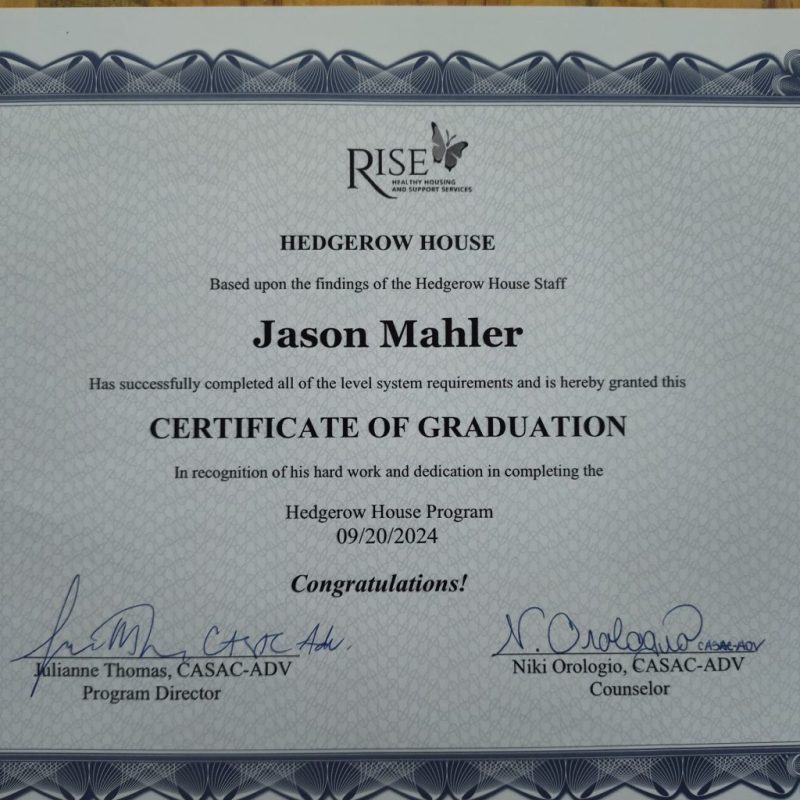
Hedgerow House gave me structure. They outlined a recovery plan with a few simple guidelines. The simplicity of those guidelines, and the structure of the program, showed me that recovery was possible—and that it didn’t have to be complicated to get sober.
The Hedgerow staff are amazing. My counselor, Nikki, was fantastic. She listened to me, and a huge part of recovery is simply being heard. Nikki gave me the freedom and flexibility in my program to find my own path in recovery, which allowed me to work on myself—mind, body, and spirit.
Healing Springs Recovery Center was also a big part of my recovery. While staying at Hedgerow, I volunteered there six hours a week as a way to give back. Healing Springs has a huge impact on the community, and it was meaningful to be a part of that. I answered phones, directed people to the right staff, and even spoke to people ready to enter detox and mothers scared for their children. It felt good to give back the help that had been given to me.
Alcoholics Anonymous (AA) also played a big role in saving my life and helping me rebuild it. At first, I didn’t want to be there. But once I realized I wasn’t alone—that I was just like the other people in the room, and that I could relate to their stories—I began to fit in. In them, I started to hear my own story.
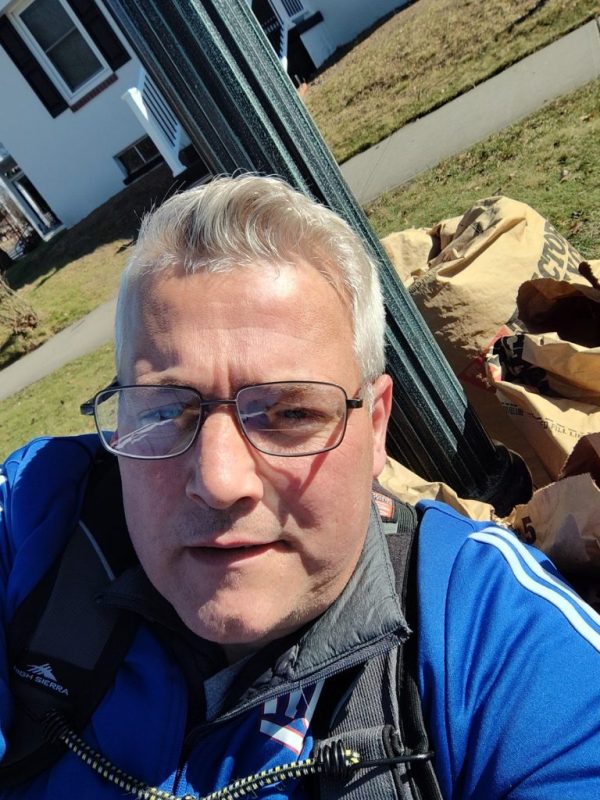
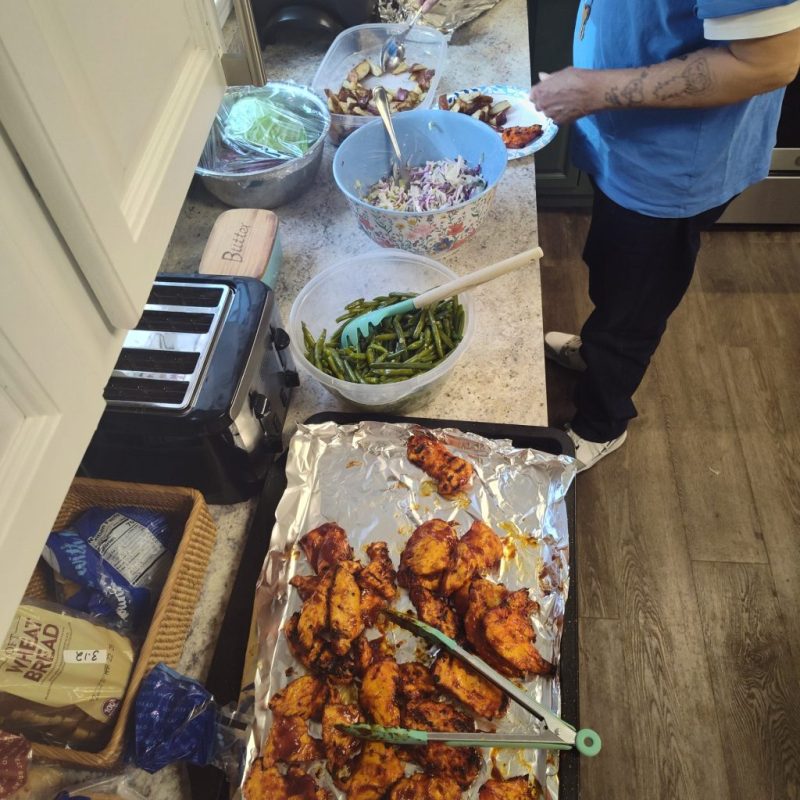
AA is about sharing your experience, strength, and hope. I try to attend at least two meetings a week and rely on the fellowship. I have a Big Book Step Study sponsor, another AA sponsor, and a strong network of friends—old friends I’ve known for 40 years, and new ones from RISE Above.
At AA, we “clean house,” take care of our own side of the street, and commit to the program so we can build a spiritual connection. Once you’ve done the steps and are spiritually fit, you’re ready to give back—and maybe even become a sponsor yourself. That’s one of the biggest parts of AA: giving back.
As a chef at RISE Above, I’ve found my own ways to help others. I may not be a counselor, CRPA, or CASAC, but I still interact with people who are struggling. I can share my experience and relate to their recovery. Sometimes I can plant a little seed of hope—that’s how recovery begins.
I’m blessed to have been offered this job. I’ve always loved to cook and clean. In high school, I even majored in culinary studies, taking five food-handling classes that taught me skills I use every day—like prepping, keeping up on food rotation, and maintaining safety standards. I love this work, and whether at RISE or at home, I take joy in it. But more than that, being in a recovery environment where I can support others brings me fulfillment.
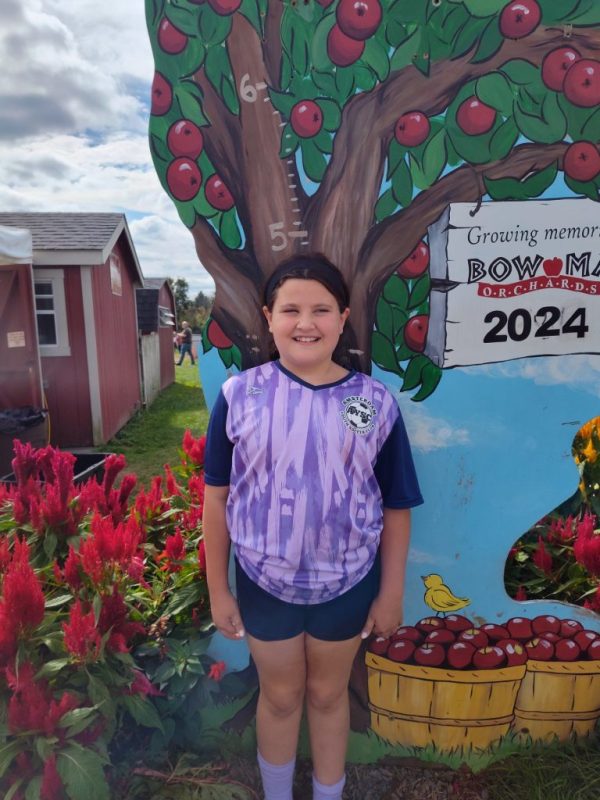
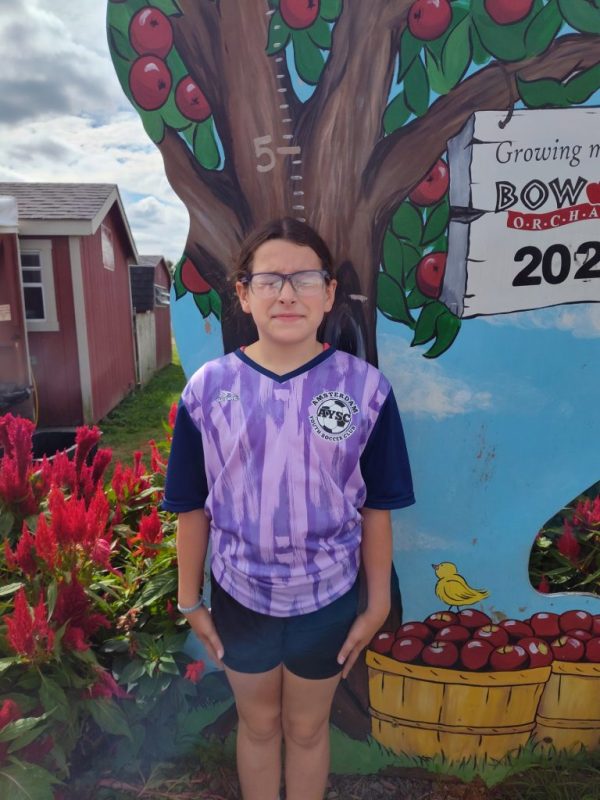
Recovery, to me, means getting myself back, getting my life back, and having my daughters back in my life. My relationship with them is the most important part of being sober. Now, when I’m with them, I’m truly present—paying attention, spending time, and being active with them.
My relationship with their mother is improving too, especially our communication. She no longer has to wonder or worry about what’s going on with me. My communication has improved with my father as well. I’m no longer afraid to be honest with him. Before, I lied constantly because I was afraid of letting him down. Now, I see that he is understanding and cares deeply about me.
I enjoy waking up every morning without the shame and guilt I carried as an alcoholic. I’m grateful for the peace of mind that comes from no longer obsessing over alcohol. I go to bed sober every night and wake up sober every morning. I have good conversations, I am present with my children, and I find joy in the little things in life.
Today, I am truly happy, grateful, and free.